
Nonnenheide

Brandenburg, Germany
About the Project (ID: DE00208)
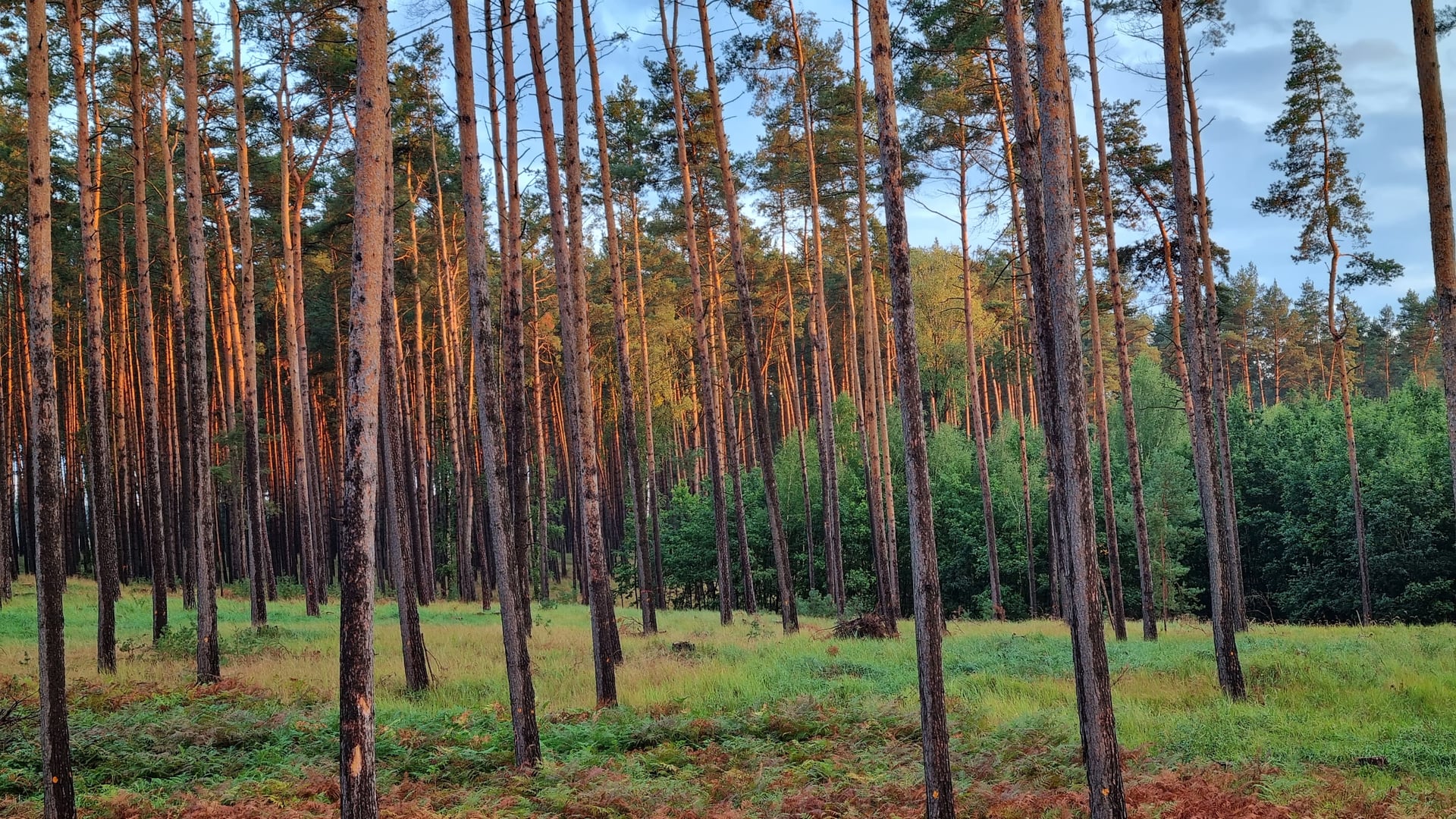
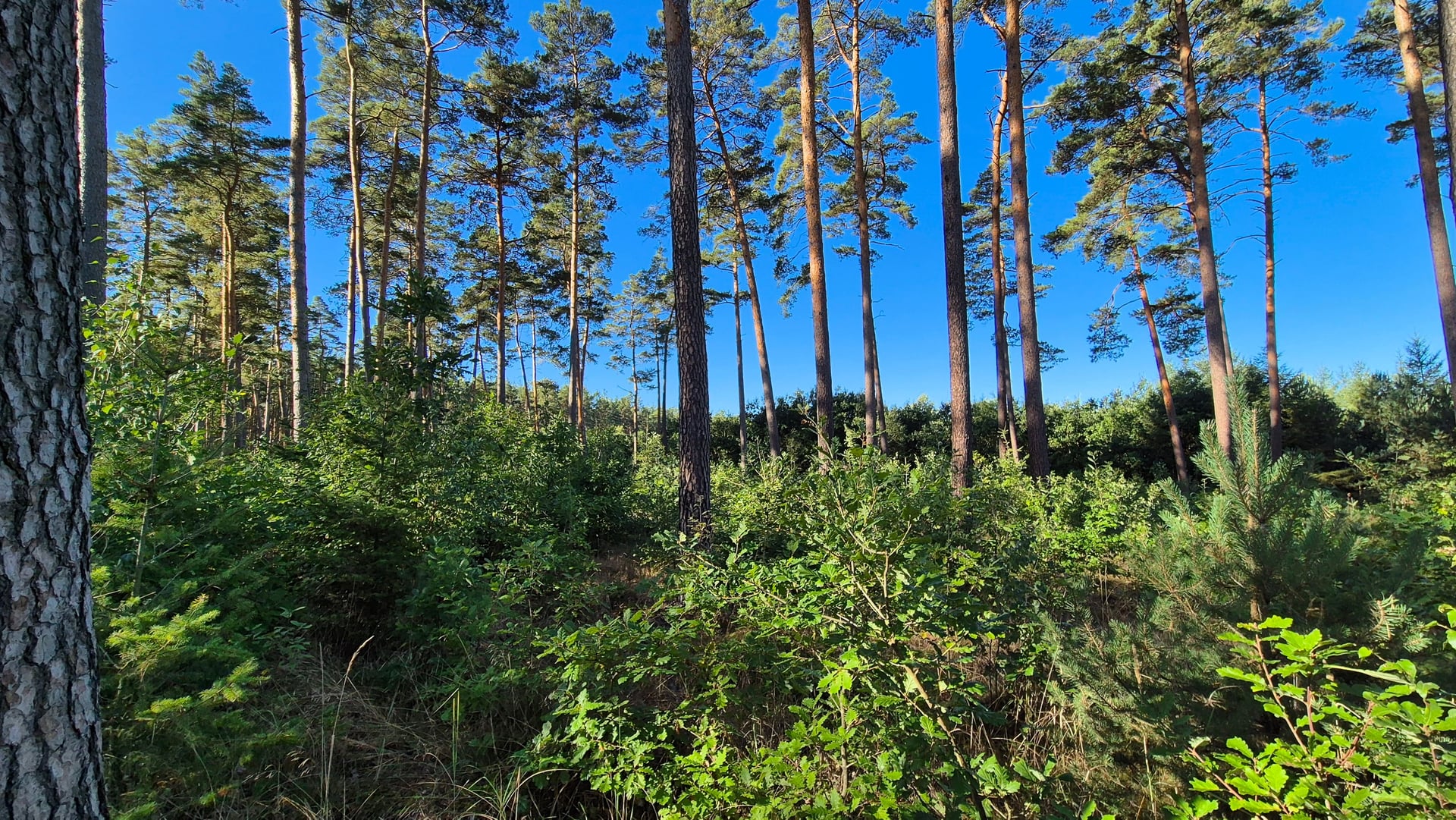
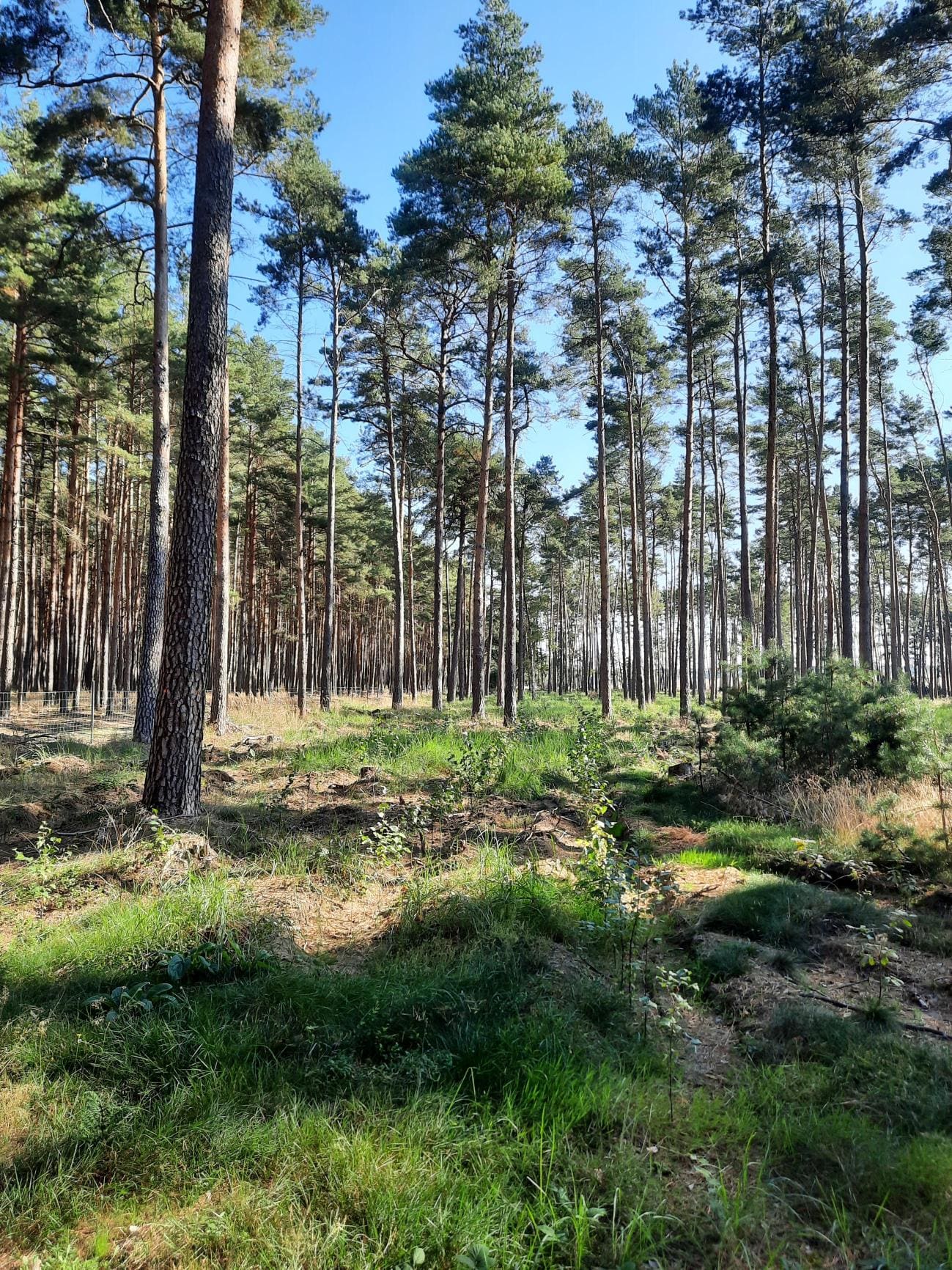
The Nonnenheide Climate-Optimized Forest Management project covers 596 hectares in Brandenburg and focuses on improving forest management (IFM) to boost carbon storage. Traditionally a Scots pine forest, it will be transformed into a diverse, climate-resilient mixed forest. By adapting management practices, the project aims to increase carbon sequestration, enhance resilience to droughts and pests, and balance timber production with long-term climate protection.

Registry
Want to find out how many credits are already in the registry?


Verification Report 2025
Open the latest verification report of the project.
Pictures
Do you have any questions or want to learn more about the projects?
Project Statistics
The project focuses on the gradual transformation of the forest towards diverse and climate-resilient mixed stands.
A key objective is to reduce the current dominance of pine, which is progressively lowered to around 30% of the tree species composition.
At the same time, the share of deciduous and mixed species is significantly increased. Oak is promoted to approximately 20%, while other deciduous species account for a further 20%. In addition, selected coniferous species contribute around 10%, and other native species together make up roughly 20% of the future stand composition.
Forest development follows an Improved Forest Management (IFM) approach with a strong emphasis on natural regeneration. Targeted planting is applied where necessary to support the desired species mix and to ensure site- and climate-adapted forest development over time.
See how the project evolved:
Inventory: Forest Tree Measurements
Measurement data from the forest form the basis for precise project planning and determining climate benefits.
Project start: Kick-Off for Climate-Optimized Management
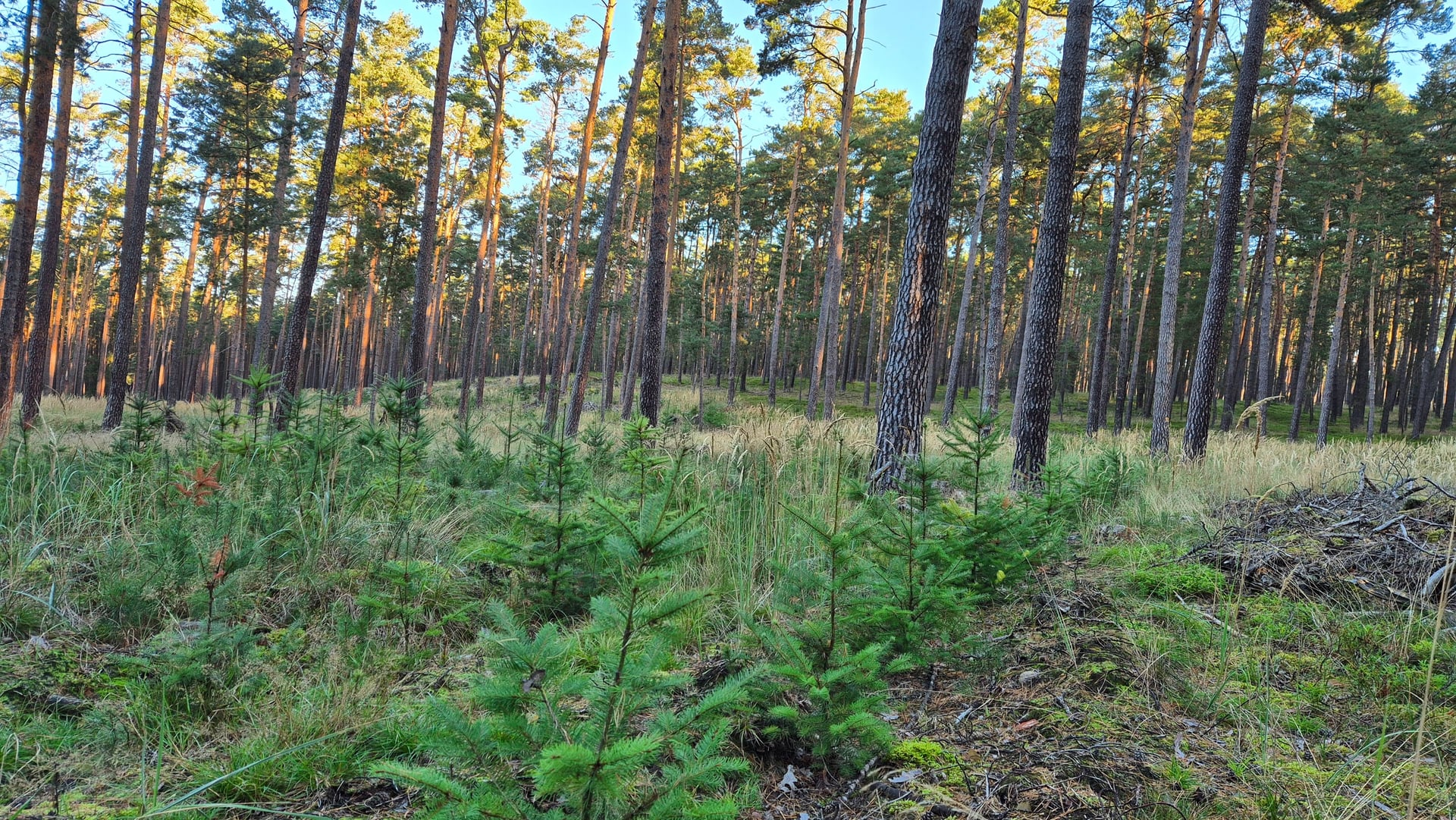
The adapted management approach is integrated into operations, and the first project activities are planned.
Validation & Verification Audit: In-Depth Review of the Project
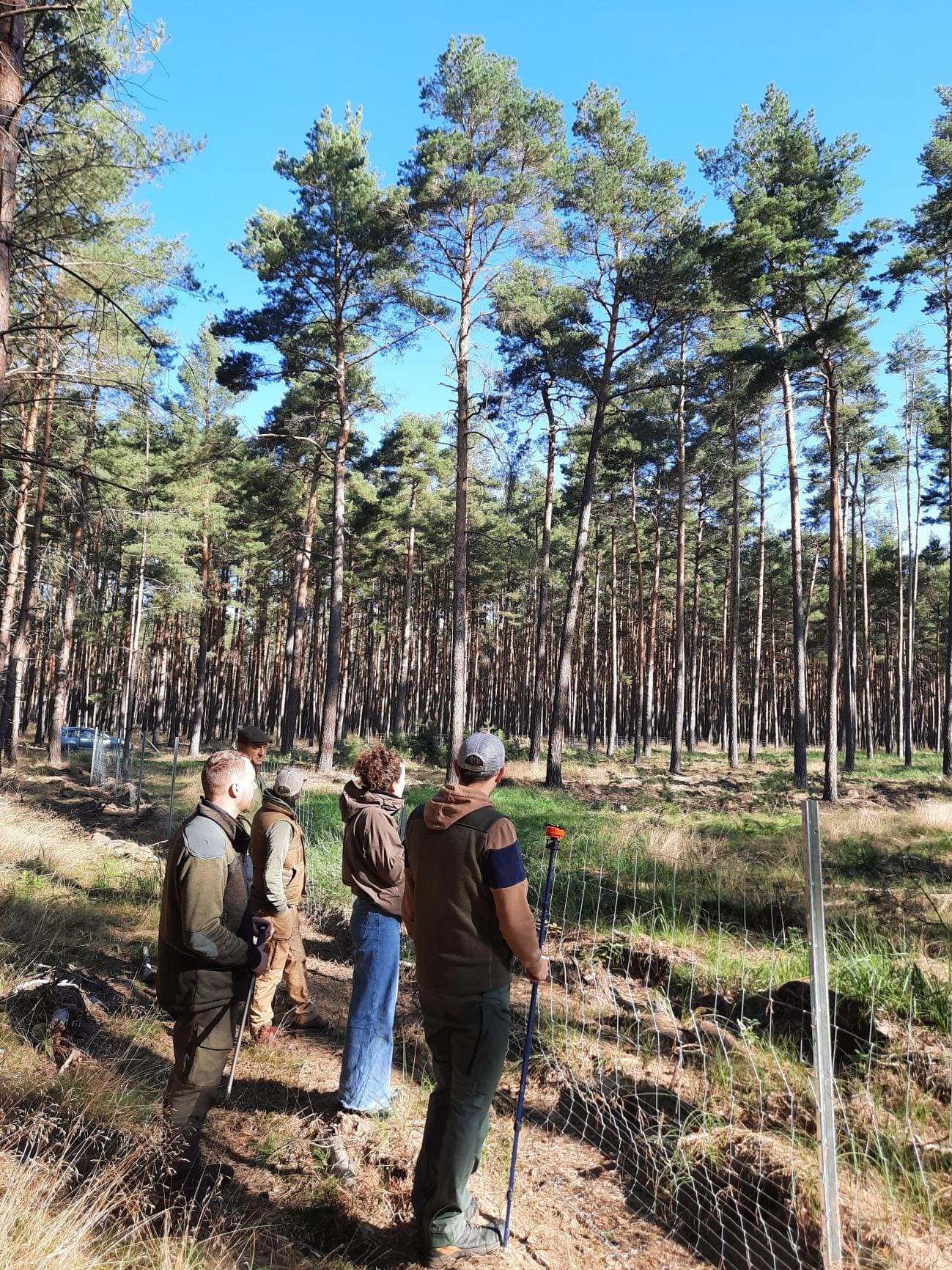
TÜV Rheinland assesses the project against all standard requirements, reviews compliance with activities, and defines the scope on which the first eva certificates will be issued.
Credits are ready to be purchased
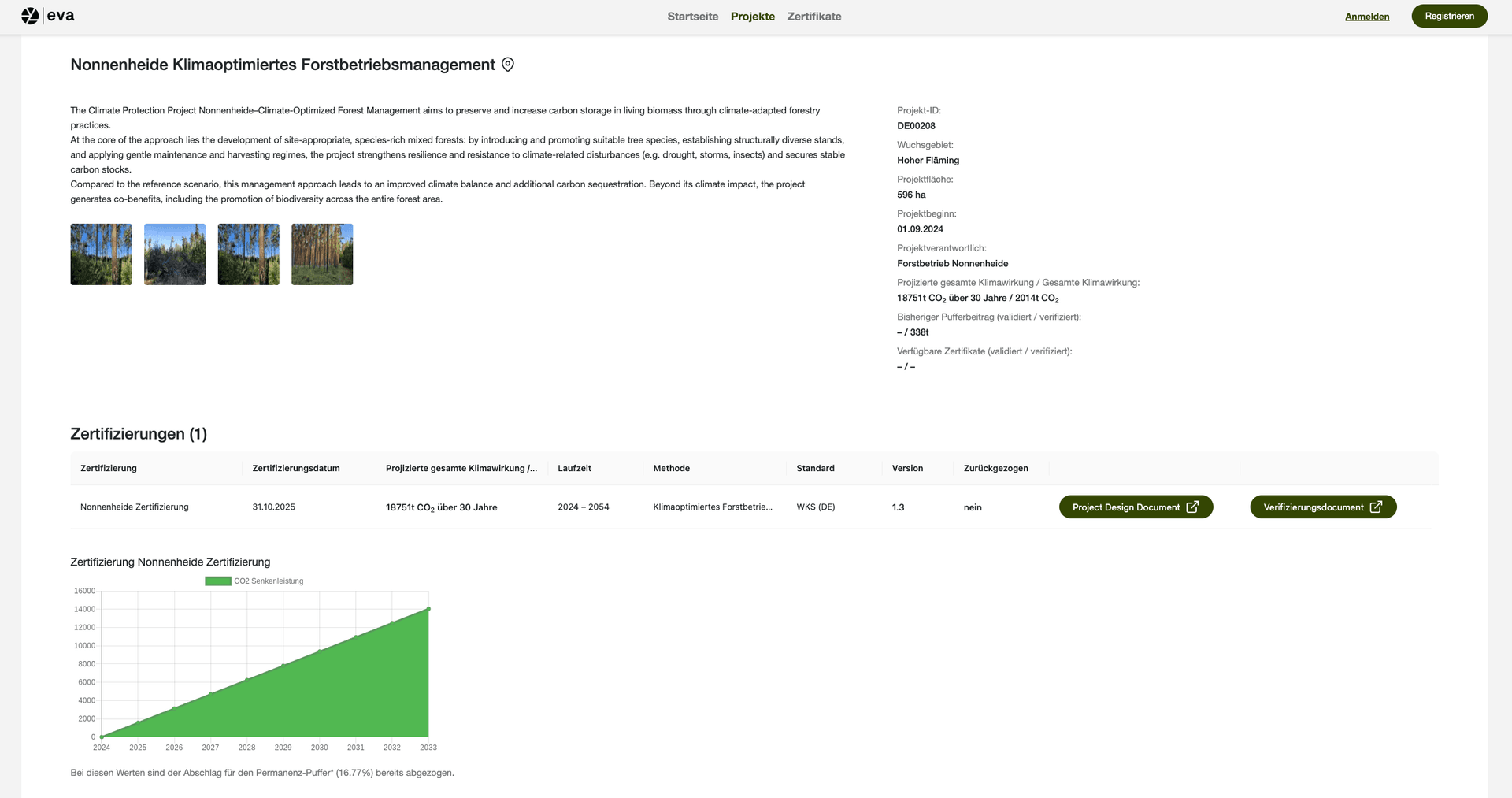
After TÜV Rheinland verified all credits, the credits are now ready to sell. Due to pre-purchase agreements we might not have any credits from Nonnenheide left. If you are, however, interested in the credits of Nonnenheide please contact us and we will provide more information.
This project contributes to the following United Nations Sustainable Development Goals:


Do you have any questions, or would you like to invest in a climate project?
Karolina is happy to help.
Other Projects
Raben, Brandenburg
- Project area: 958 ha
- Project duration: 2024–2054
- 2,450 credits generated and marketed within 10 months
 Learn more
Eußenheim, Bavaria
- Project area: 1,503 ha
- Project duration: 2025–2055
- 10,855 credits generated in 2025
Learn more